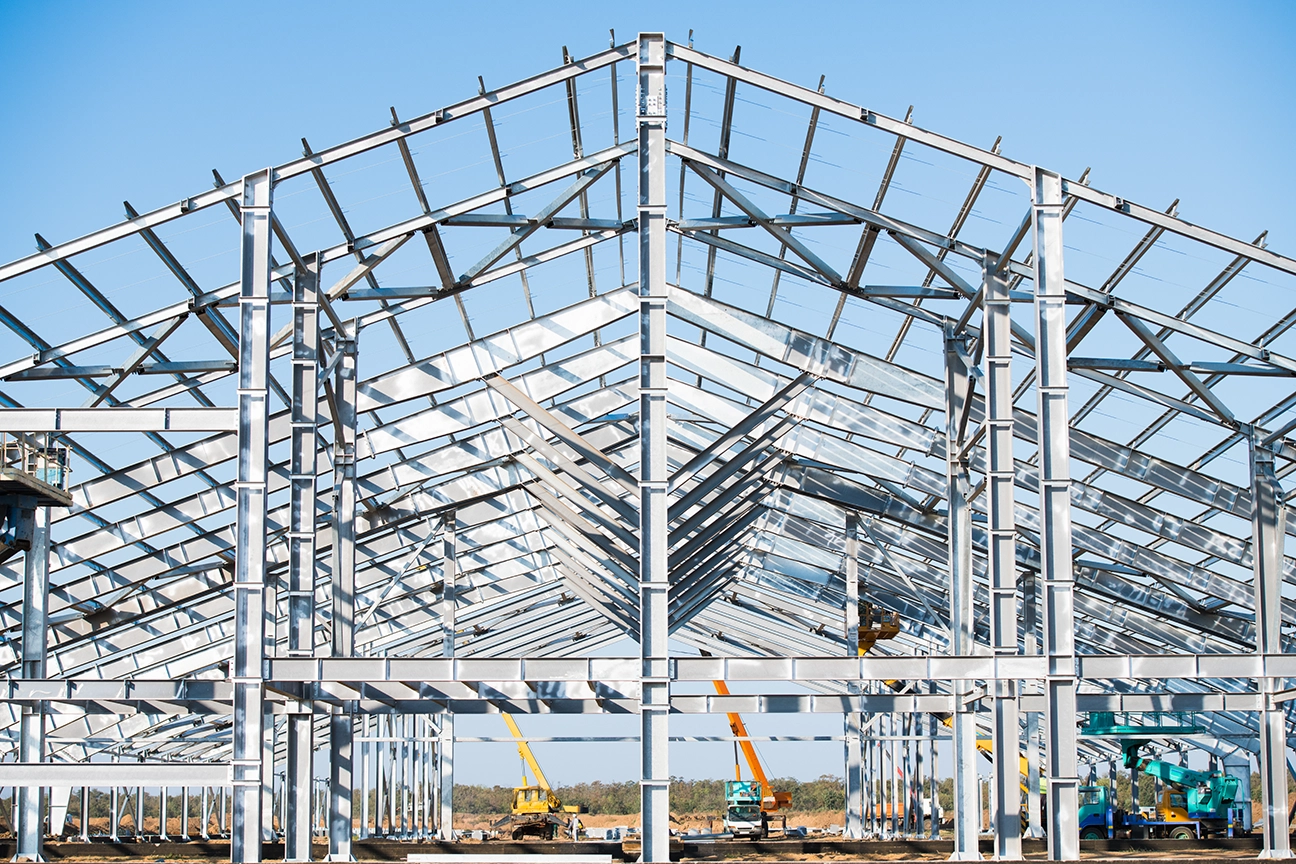
Steel Framing System: A Modern Solution for Durable and Sustainable Construction
The steel framing system has become one of the most important construction methods in modern building practice. Used widely in residential, commercial, and industrial projects, steel framing offers strength, precision, durability, and sustainability that traditional materials often struggle to match. As construction demands evolve toward faster timelines, higher performance, and environmentally responsible solutions, steel framing systems are increasingly seen as a smart and future-ready choice.
This article explores what a steel framing system is, its components, advantages, applications, challenges, and its role in shaping the future of the construction industry.
What Is a Steel Framing System?
A steel framing system is a structural construction method that uses steel members—typically cold-formed or light-gauge steel—to create the skeleton of a building. These steel components replace traditional timber or masonry frameworks and form the load-bearing structure that supports floors, walls, roofs, and cladding.
Steel framing systems are usually fabricated in factories according to precise engineering specifications. The components are then transported to the construction site for assembly, resulting in a highly accurate and efficient building process.
Steel framing can be broadly categorized into:
- Light-gauge steel framing – Commonly used in residential and low-rise commercial buildings.
- Structural steel framing – Used for high-rise buildings, industrial facilities, and large-span structures.
Key Components of a Steel Framing System
A steel framing system consists of several interconnected elements that work together to ensure structural stability:
- Steel Studs
Vertical members that form walls and partitions, similar to wooden studs. - Steel Tracks
Horizontal sections installed at the top and bottom of walls to hold studs in place. - Joists and Beams
Used to support floors and roofs, distributing loads evenly throughout the structure. - Bracing Systems
Diagonal or rigid components that enhance resistance to lateral forces such as wind and seismic loads. - Fasteners and Connectors
Screws, bolts, and clips that securely join framing members together.
Together, these components create a rigid and durable structural framework capable of supporting complex architectural designs.
Advantages of Steel Framing Systems
1. Strength and Durability
Steel has an exceptionally high strength-to-weight ratio, allowing it to support heavy loads without excessive material usage. Unlike wood, steel does not warp, shrink, or crack over time, ensuring long-term structural integrity.
2. Fire Resistance
Steel is non-combustible, making it highly resistant to fire. This property significantly enhances building safety and can reduce insurance costs and fire-related risks.
3. Precision and Quality Control
Steel framing components are manufactured under controlled factory conditions. This results in precise dimensions, consistent quality, and minimal construction errors on-site.
4. Faster Construction
Prefabricated steel components can be assembled quickly, reducing labor time and overall project duration. Faster construction also leads to lower financing and operational costs.
5. Sustainability and Environmental Benefits
Steel is 100% recyclable and can be reused without losing strength. Many steel framing systems use recycled steel, reducing the demand for raw materials and lowering environmental impact.
6. Resistance to Pests and Moisture
Steel framing is immune to termites, rodents, and mold growth, which are common issues with timber-based construction.
Applications of Steel Framing Systems

4
Steel framing systems are used across a wide range of construction sectors:
- Residential Buildings
Houses, apartment complexes, and modular homes increasingly use light-gauge steel framing for its durability and design flexibility. - Commercial Structures
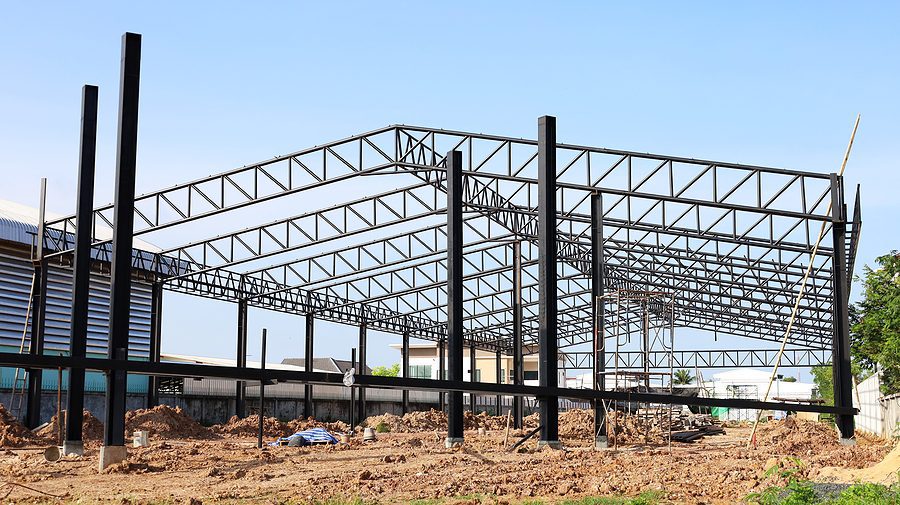
Offices, shopping centers, hotels, and educational facilities benefit from steel’s ability to span large spaces with fewer columns. - Industrial Facilities
Warehouses, factories, and logistics centers rely on steel framing for heavy loads and long-span requirements. - Healthcare and Institutional Buildings
Hospitals and laboratories require high structural reliability, fire resistance, and clean construction environments, all of which steel framing provides.
Design Flexibility and Architectural Freedom
One of the most appealing aspects of steel framing systems is their adaptability. Steel framing allows for:
- Larger open spaces
- Taller ceilings
- Complex geometries
- Easier integration of mechanical, electrical, and plumbing systems
Architects and engineers can push design boundaries while maintaining structural safety and compliance with building codes.
Challenges and Considerations
Despite its many advantages, steel framing systems also present some challenges:
1. Initial Cost
Steel framing can have a higher upfront material cost compared to timber. However, this is often offset by reduced maintenance, faster construction, and longer building lifespan.
2. Thermal Conductivity
Steel conducts heat more readily than wood, which can lead to thermal bridging. Proper insulation and thermal break systems are essential to maintain energy efficiency.
3. Skilled Labor Requirements
Although assembly is straightforward, steel framing requires trained professionals familiar with metal framing techniques and tools.
4. Corrosion Protection
In certain environments, especially coastal or industrial areas, steel components must be properly coated or galvanized to prevent corrosion.
Steel Framing and Modern Construction Trends
Steel framing systems align well with current construction trends such as:
- Modular and prefabricated construction
- Green and sustainable building practices
- Smart building integration
- High-performance energy-efficient design
As urbanization increases and construction demands grow more complex, steel framing offers the reliability and scalability needed for modern infrastructure development.
Future Outlook of Steel Framing Systems
The future of steel framing systems is strongly positive. Advances in material science, digital design tools, and manufacturing technology continue to improve efficiency and performance. Building Information Modeling (BIM) and automated fabrication are making steel framing more accessible and cost-effective than ever before.
With growing emphasis on sustainability, resilience, and speed of construction, steel framing systems are expected to play a central role in shaping the buildings of tomorrow.
Conclusion
The steel framing system represents a powerful combination of strength, precision, sustainability, and versatility. From residential homes to large industrial facilities, steel framing delivers long-lasting performance while meeting the evolving demands of modern construction. Although careful design and skilled execution are essential, the benefits far outweigh the challenges.
As the construction industry moves toward smarter, safer, and more sustainable solutions, steel framing systems stand out as a reliable foundation for the future of building.