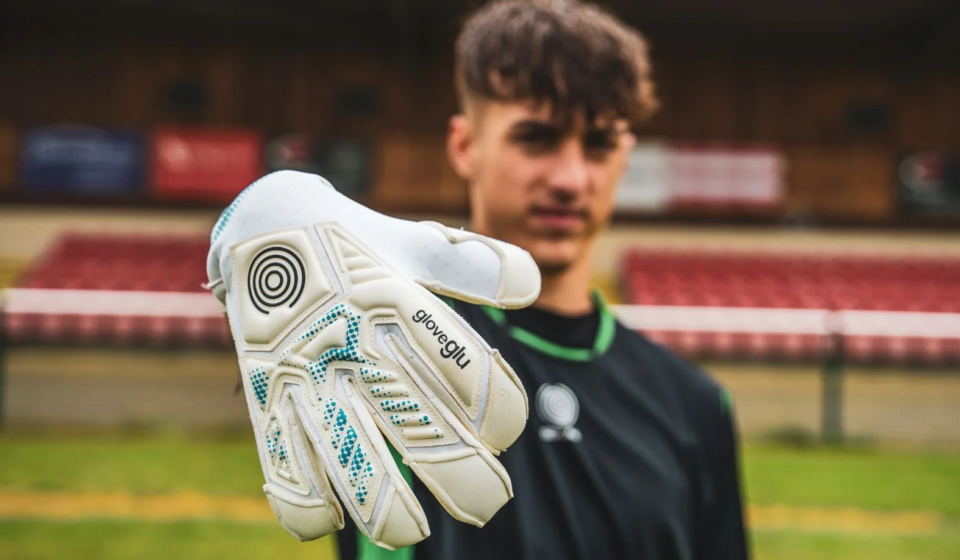

Choosing goalkeeper gloves is an important part of preparing for football. The right pair should feel comfortable, allow natural hand movement, and provide a reliable connection with the ball. Since gloves come in different cuts and constructions, understanding their features can help you make a more informed choice.
Some goalkeepers prefer a close fitting design, while others feel more comfortable with extra room around their fingers. Your hand shape, playing habits, and personal preferences all play a part in finding a suitable pair.
Why Glove Cut Matters
The cut describes how the palm and finger sections of a goalkeeper glove are shaped and stitched together. It influences the overall fit and how the material sits against your hand.
Common designs include flat cut, roll finger, negative cut, and hybrid styles. Each has a different construction, so the same size may feel different depending on the design and manufacturer.
When comparing negative cut gloves, for example, it is useful to understand how their stitching affects the fit. These gloves generally feature inward stitching that creates a closer shape around the fingers.
Understanding Negative Cut Construction
Negative cut gloves are popular among players who prefer a snug fit. Their seams are positioned on the inside of the fingers, giving the glove a streamlined shape.
This construction can reduce excess material around the fingertips and provide a close contact feel. However, the fit should still allow comfortable movement. A glove that is too tight may cause pressure and make it harder to move your fingers naturally.
When choosing this style, check the size guide and consider how the glove feels when you close your hand, spread your fingers, and grip the ball.
Exploring Vortex Cut Designs
Different manufacturers may use specific names for their glove constructions. These names do not always describe a standardised design across the football equipment industry.
If you are considering goalkeeper gloves vortex cut, review the product information carefully. Look for details about the finger shape, stitching, palm coverage, and overall construction.
Product photographs can also help you understand the design. However, the most important consideration is how the glove fits your hand and whether its construction suits your preferences.
Comparing Different Glove Styles
Every goalkeeper has individual preferences. A design that feels comfortable to one player may not work as well for another.
Here are a few common styles and their general characteristics:
- Flat cut: A traditional construction that often provides a roomier feel.
- Roll finger: The palm material wraps around the fingers, creating a rounded shape.
- Negative cut: Inward stitching gives the glove a closer fitting shape.
- Hybrid cut: Combines elements of different glove constructions.
Rather than choosing a style because it is popular, consider your hand shape and the kind of fit you find comfortable.
What to Look for in the Palm
The palm material is another important feature to examine. Many goalkeeper gloves use latex because of its grip properties. Different latex formulations can offer different levels of grip and durability.
Softer latex may provide good contact with the ball but can wear more quickly with frequent use. More durable materials may be suitable for regular training, depending on the specific product.
Playing conditions also matter. Dust, moisture, and the surface you play on can influence how the palm performs. Check the manufacturer’s recommendations to understand the intended use of the gloves.
Getting the Right Size
A comfortable fit helps you concentrate on the game rather than adjusting your gloves. If the gloves are too loose, they may move around during catches. If they are too tight, they can restrict finger movement.
Measure your hand according to the manufacturer’s instructions and compare the result with the size chart. Do not assume that every brand uses identical sizing.
When trying on gloves, check that the fingertips have enough room, the palm sits naturally, and the wrist closure feels secure. You should be able to open and close your hand without discomfort.
Looking After Your Goalkeeper Gloves
Regular care can help maintain the condition of your gloves. After a training session or match, remove loose dirt and clean the palms gently according to the manufacturer’s instructions.
Avoid harsh detergents and rough scrubbing, as these can damage the materials. Allow the gloves to dry naturally in a ventilated area, away from direct sunlight and strong heat.
Once dry, store them in a clean place. Avoid leaving damp gloves inside a closed sports bag for long periods.
Choosing Gloves for Your Playing Routine
The best goalkeeper gloves are not necessarily the most expensive or the most advanced. They are the ones that provide a suitable fit and match your playing requirements.
If you prefer a closer finger fit, negative cut gloves may be worth considering. If a particular product is described as a Vortex design, examine its construction details before comparing it with other options.
When researching goalkeeper gloves vortex cut, focus on verified product descriptions, sizing information, palm materials, and care instructions. Exploring the goalkeeper equipment available through TechGrip can be a useful starting point for comparing options.
Take time to understand what each design offers. A comfortable fit and suitable construction can help you feel more confident every time you step onto the pitch.