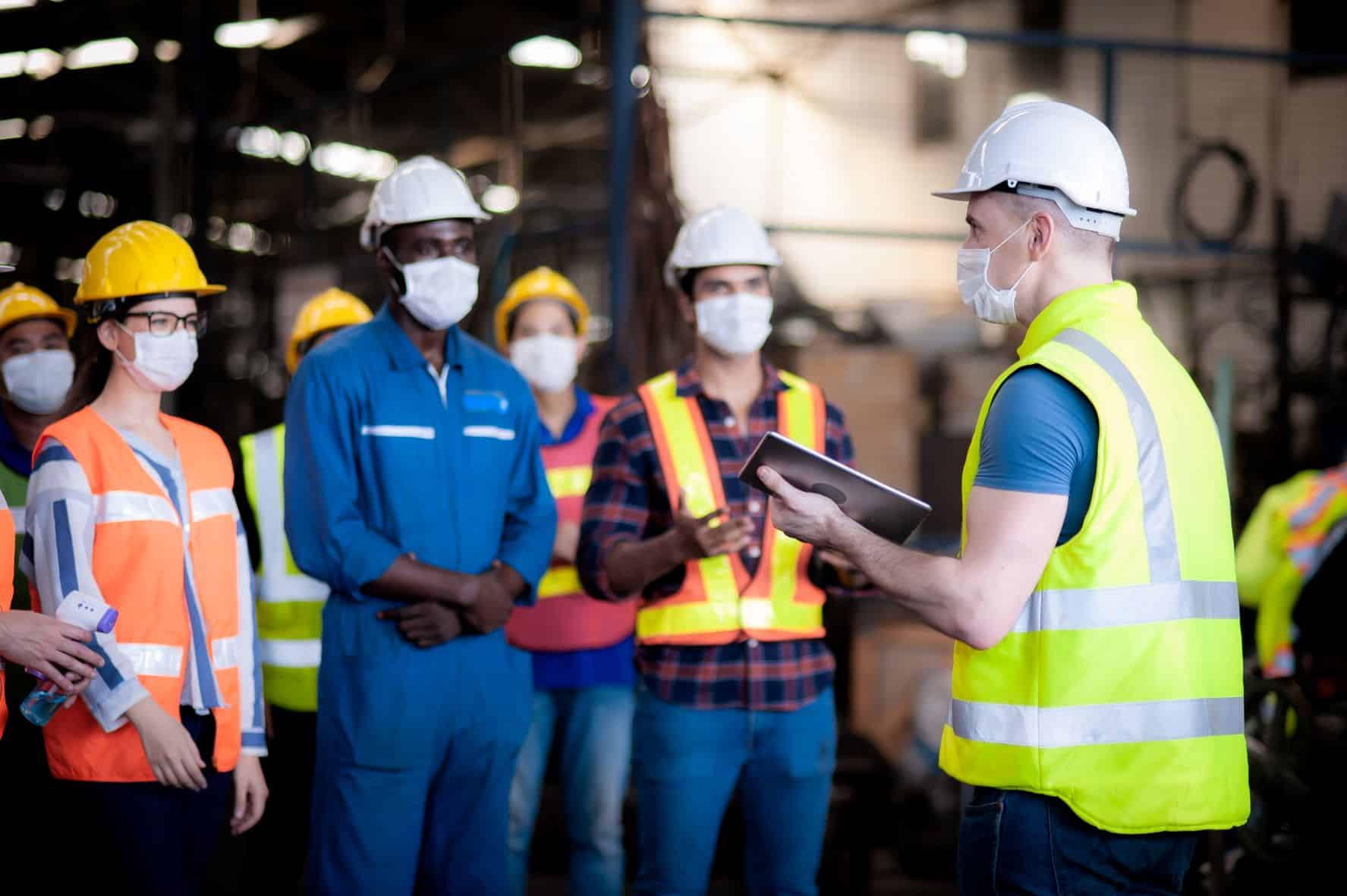

Workplace safety has become an essential priority for businesses worldwide, and Malaysia is no exception. With rapid industrial growth, a dynamic workforce, and increasingly complex workplace environments, the need for structured safety training is greater than ever. Organizations today must not only comply with legal requirements but also cultivate a culture of safety that protects employees, enhances productivity, and builds trust.
This article explores the importance of safety training in Malaysia, the legal framework that governs it, and the strategies organizations can adopt to create safer workplaces.
The Importance of Safety Training
Safety training is more than a compliance exercise—it is an investment in human capital. Employees who are well-trained in safety protocols are better equipped to recognize hazards, prevent accidents, and respond effectively in emergencies.
For Malaysia, workplace accidents and occupational diseases can have significant financial and social costs. Lost working hours, medical expenses, and compensation claims not only affect the bottom line but also damage morale. A robust safety training program helps minimize these risks by ensuring that workers understand their responsibilities and can apply safety practices confidently in their daily tasks.
Legal Framework for Safety in Malaysia
Safety in Malaysian workplaces is regulated primarily by the Occupational Safety and Health Act 1994 (OSHA 1994) and the Factories and Machinery Act 1967 (FMA 1967). These laws mandate that employers provide a safe working environment and adequate training to employees.
The Department of Occupational Safety and Health (DOSH), under the Ministry of Human Resources, enforces these regulations. Employers are legally bound to identify hazards, conduct risk assessments, and implement control measures. Importantly, they must also ensure employees are trained and competent in handling potential workplace risks.
Failure to comply can result in penalties, fines, or even closure of operations. Thus, safety training is not only a moral duty but also a legal obligation.
Types of Safety Training Programs in Malaysia
Organizations in Malaysia typically provide different forms of safety training, tailored to industry needs:
- General Safety Induction Training
New employees undergo induction programs to familiarize themselves with company policies, emergency procedures, and basic safety guidelines. - Occupational-Specific Training
Workers in industries such as construction, manufacturing, and oil & gas receive targeted training on equipment handling, hazard identification, and industry-specific risks. - Emergency Preparedness Training
Fire drills, first aid training, and chemical spill response exercises ensure workers can respond quickly in emergencies. - Health and Wellness Programs
With increasing awareness of mental health and ergonomics, many companies now offer training that addresses stress management, fatigue reduction, and workplace ergonomics.
Challenges in Implementing Safety Training
Despite its importance, organizations in Malaysia face challenges in executing effective safety training:
- Awareness and Attitude: Some employees and employers still see safety training as a formality rather than a necessity.
- Language Barriers: Malaysia’s diverse workforce means training materials must often be delivered in multiple languages to ensure comprehension.
- Cost Concerns: Small and medium-sized enterprises (SMEs) sometimes struggle to allocate budget for comprehensive training programs.
- Keeping Up with Change: As technology and workplace processes evolve, training programs must be regularly updated to remain relevant.
Addressing these challenges requires collaboration between government agencies, employers, and employees.
Benefits of Effective Safety Training
When implemented properly, safety training delivers long-term benefits:
- Reduced Accidents and Injuries: A well-trained workforce is less likely to engage in unsafe practices.
- Higher Productivity: Safe workplaces minimize downtime caused by accidents.
- Improved Employee Morale: Workers feel valued and protected, boosting overall job satisfaction.
- Legal Compliance: Training ensures adherence to OSHA and DOSH requirements, avoiding costly penalties.
- Positive Reputation: Companies with strong safety records attract talent and build trust with stakeholders.
Strategies for Strengthening Safety Training in Malaysia
- Management Commitment
Leadership must set the tone by actively promoting safety and investing in continuous training. - Regular Assessments
Organizations should conduct regular safety audits and refresh training programs accordingly. - Interactive Learning Methods
Incorporating simulations, case studies, and hands-on practice ensures better retention of safety knowledge. - Leverage Technology
Online platforms, mobile apps, and virtual reality (VR) simulations can make training accessible, engaging, and cost-effective. - Employee Involvement
Encouraging employees to share feedback and participate in safety committees builds a sense of ownership.
The Future of Safety Training in Malaysia
As Malaysia moves toward becoming a high-income nation, workplace safety standards are expected to rise. The integration of digital tools such as e-learning platforms, artificial intelligence-driven risk analysis, and virtual simulations will likely transform how safety training is delivered.
Moreover, sustainability and mental health are emerging as critical areas of focus. Organizations will increasingly provide training not just on physical safety but also on psychological well-being, ensuring a holistic approach to employee welfare.
Conclusion
Safety training in Malaysia is a cornerstone of sustainable business growth. By adhering to legal requirements, addressing workplace risks, and fostering a culture of safety, organizations can protect their workforce while enhancing productivity and reputation.
As industries evolve, continuous investment in effective and innovative safety training will be essential. Ultimately, safety is not just about compliance—it is about caring for the people who drive Malaysia’s progress.