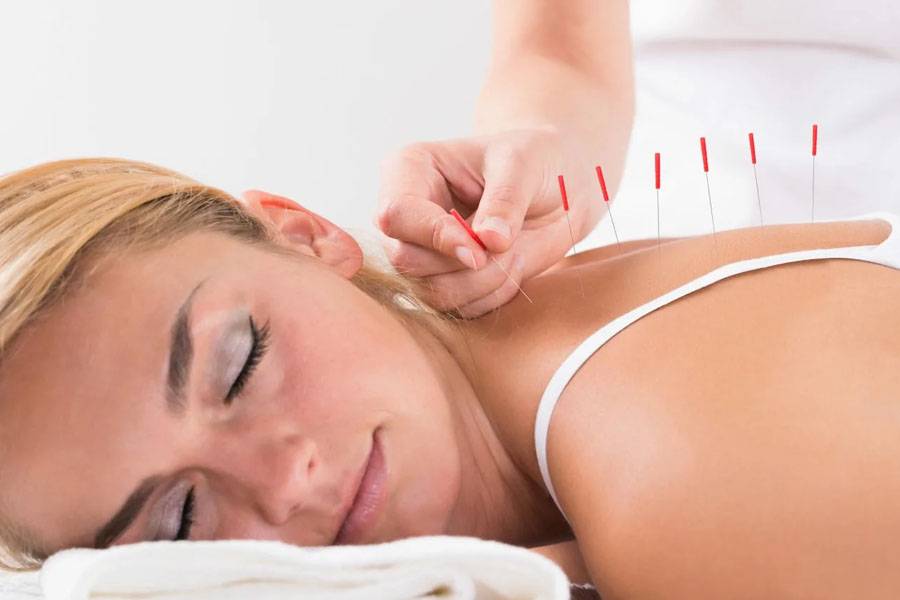

In recent years, dry needling technique has gained widespread recognition as an effective treatment for muscle pain, stiffness, and mobility issues. Often used by physiotherapists, chiropractors, and sports rehabilitation experts, this technique helps release muscle tension, improve circulation, and promote faster healing. Although it involves the use of needles, dry needling is very different from traditional acupuncture and is grounded in modern anatomy and neurophysiology.
If you’re curious about what dry needling involves, how it works, and whether it’s right for you, this guide will walk you through everything you need to know about the technique and its benefits.
What Is the Dry Needling Technique?
Dry needling is a therapeutic method that uses very thin, sterile needles inserted into specific points in the muscles — often referred to as trigger points or knots. These are tight bands of muscle fibers that can cause pain, limit movement, or refer discomfort to other parts of the body.
The term “dry” distinguishes it from medical injections, as no medication or substance is injected into the body. Instead, the needle itself stimulates the muscle tissue to release tension, increase blood flow, and reduce pain.
Dry needling is based on Western medical principles rather than traditional Chinese medicine. Its purpose is to restore normal muscle function and relieve pain associated with musculoskeletal conditions.
How Does Dry Needling Work?
When a muscle becomes overused or injured, the fibers can contract excessively and form trigger points — localized areas of tightness that restrict movement and may cause pain even at rest. These trigger points often contribute to chronic discomfort and reduced performance in athletes or physically active individuals.
During a dry needling session:
- The therapist locates the trigger point through palpation and assessment.
- A fine needle is inserted directly into the affected muscle area.
- The needle may cause a local twitch response, which is an involuntary contraction that indicates the muscle is releasing tension.
- The muscle relaxes, blood flow improves, and the body’s natural healing process is activated.
By disrupting the contraction cycle and stimulating the nervous system, dry needling helps reset the muscle’s normal tone and function.
Conditions That Can Benefit from Dry Needling
Dry needling is used to treat a wide range of musculoskeletal and neuromuscular conditions. Some of the most common include:
- Chronic muscle pain and stiffness (neck, shoulder, back, and leg pain)
- Sports injuries, such as muscle strains or overuse injuries
- Tension headaches and migraines caused by muscle tension
- Tennis elbow and golfer’s elbow
- Plantar fasciitis and Achilles tendinopathy
- Sciatica or lower back pain related to muscle tightness
- Postural dysfunction and movement imbalances
- Myofascial pain syndrome, where trigger points cause referred pain in other areas
Athletes, office workers, and individuals recovering from injury all find dry needling helpful for pain management and mobility improvement.
The Benefits of Dry Needling
The dry needling technique offers multiple therapeutic benefits beyond immediate pain relief. Here are some of the most significant advantages:
1. Reduces Pain and Muscle Tension
By targeting and releasing tight knots, dry needling directly reduces muscle tension and discomfort. Many patients experience noticeable relief after just one session.
2. Improves Mobility and Flexibility
Once the tight muscle fibers relax, the surrounding joints and tissues regain their natural movement. This is particularly beneficial for people who feel “stiff” or limited in certain motions.
3. Accelerates Recovery from Injury
Enhanced blood circulation and oxygenation help repair damaged muscle fibers more quickly. This makes dry needling a popular choice in sports rehabilitation.
4. Supports Better Posture and Movement
Muscle tightness can cause poor posture or movement patterns that lead to recurring pain. Releasing trigger points helps the body maintain proper alignment and coordination.
5. Complements Other Treatments
Dry needling works well alongside physiotherapy, massage therapy, or exercise-based rehabilitation. It’s often used as part of a holistic treatment plan for long-term results.
What to Expect During a Dry Needling Session
A typical session begins with an assessment to identify which muscles are contributing to your pain or restricted movement. Once the trigger points are located, the therapist explains the procedure and positions you comfortably.
The needles are inserted into the targeted muscles and may stay in place for a few seconds to several minutes, depending on the condition being treated. Some patients feel a slight ache or twitching sensation — this is normal and indicates that the treatment is working.
After the session, you might experience mild soreness, similar to post-exercise fatigue, but this usually subsides within a day or two. Drinking plenty of water, gentle stretching, and light activity can help ease any temporary discomfort.
Is Dry Needling Safe?
When performed by a qualified professional, dry needling is considered safe and minimally invasive. The needles used are sterile and single-use to ensure hygiene.
Possible minor side effects include:
- Temporary soreness or bruising at the needle site
- Slight fatigue or muscle ache post-treatment
Serious complications are extremely rare, particularly when the therapist is properly trained and follows safety protocols. Always ensure your practitioner is certified in dry needling and experienced in musculoskeletal assessment.
How Is It Different from Acupuncture?
Although dry needling and acupuncture both use fine needles, their purpose and theory differ significantly.
- Acupuncture is rooted in traditional Chinese medicine and focuses on balancing the body’s energy flow (Qi) through meridians.
- Dry needling, on the other hand, is based on modern anatomy and aims to relieve pain by targeting specific muscle trigger points.
In essence, acupuncture treats energy pathways, while dry needling focuses on restoring muscle and nerve function.
Final Thoughts
The dry needling technique is a proven, science-backed therapy that helps reduce muscle tension, relieve pain, and enhance recovery. Whether you’re an athlete dealing with overuse injuries, an office worker struggling with neck and back pain, or someone seeking better mobility, dry needling can be a valuable addition to your treatment plan.
When administered by a trained professional, it’s safe, effective, and can provide noticeable improvements after just a few sessions. If you’ve been living with chronic muscle tightness or discomfort, consider consulting a qualified physiotherapist or chiropractor who offers dry needling — it might just be the relief your body needs to move freely again.